For more than two decades, Search Engine Optimization (SEO) has been the primary strategy for gaining visibility online. Businesses invested in keyword research, backlinks, technical search optimization, and content creation to appear in search engine results pages. For a long time, the model was straightforward: rank higher, get more clicks, and drive more traffic.
Today, however, the search ecosystem is undergoing a significant transformation. Artificial intelligence is changing the way information is discovered, interpreted, and delivered. Increasingly, users are not browsing lists of links. Instead, they are receiving direct answers generated by AI systems.
This shift does not mean SEO is disappearing. Rather, SEO is evolving into something broader and more intelligent, where visibility depends not only on rankings but also on how well a brand is recognized and trusted by AI systems that generate answers.
Understanding this shift is critical for businesses that want to remain visible in the next era of search.
The Shift From Links to Answers
Traditional search engines were designed to present a ranked list of links. Users would type a query, scan several results, and click through to different websites to find the information they needed.
AI-powered search is gradually changing this behavior.
Modern search experiences increasingly provide summarized answers directly within the interface, often drawing insights from multiple sources. Instead of opening five different pages, users may receive a concise response generated by an AI model.
This evolution is driven by improvements in natural language processing and large language models. These systems are capable of understanding intent, synthesizing information from various sources, and presenting it in a conversational format.
As a result, user behavior is shifting:
Queries are becoming more conversational and complex
Users expect immediate answers rather than multiple search results
Discovery increasingly happens within AI-generated responses
For businesses, this means visibility is no longer limited to appearing in the top ten blue links. The real opportunity lies in becoming one of the trusted sources that AI systems use when generating answers.
The Role of AI Engines in Modern Discovery
A new generation of AI-driven platforms is reshaping the discovery landscape. Tools such as ChatGPT, Gemini, and Perplexity are increasingly being used not only for productivity but also for information search.
These platforms operate differently from traditional search engines.
Instead of simply indexing pages and ranking them by relevance, AI systems analyze information across the web and generate contextual responses. When users ask a question, the system attempts to provide a synthesized answer while sometimes referencing the sources it trusts.
This changes the nature of digital visibility in several ways.
First, the source selection process becomes more complex. AI models tend to rely on content that appears credible, authoritative, and well-structured.
Second, the concept of brand authority becomes more important. If a company is consistently referenced across trusted sources, publications, and expert-led content, AI systems are more likely to recognize it as a reliable entity.
Third, visibility may occur even when a user never visits a search results page. A brand might be recommended inside an AI-generated response, which introduces a new layer of discovery beyond traditional rankings.
This emerging landscape means businesses must think beyond optimizing for a single search engine and instead focus on being discoverable within AI ecosystems.
Why Traditional SEO Tactics Alone Are No Longer Enough
Traditional SEO practices still play an important role. Technical optimization, high-quality content, and relevant backlinks remain essential foundations of digital visibility.
However, relying solely on these tactics may not be sufficient in an AI-driven search environment.
AI systems evaluate information in broader ways than traditional algorithms. They look for context, credibility, expertise, and consistency across multiple sources. A website that simply targets keywords without demonstrating authority may struggle to become part of AI-generated answers.
Several factors are becoming increasingly important:
Expert-led content that demonstrates genuine knowledge
Clear authorship and credibility signals
Brand mentions across trusted websites and publications
Structured and well-organized content that AI systems can interpret easily
In other words, optimization is expanding beyond search engines into a larger framework of digital authority and trust signals.
Businesses that adapt to this broader perspective will be better positioned to remain visible as search technology continues to evolve.
The Emergence of AI Search Optimization and Answer Engine Optimization
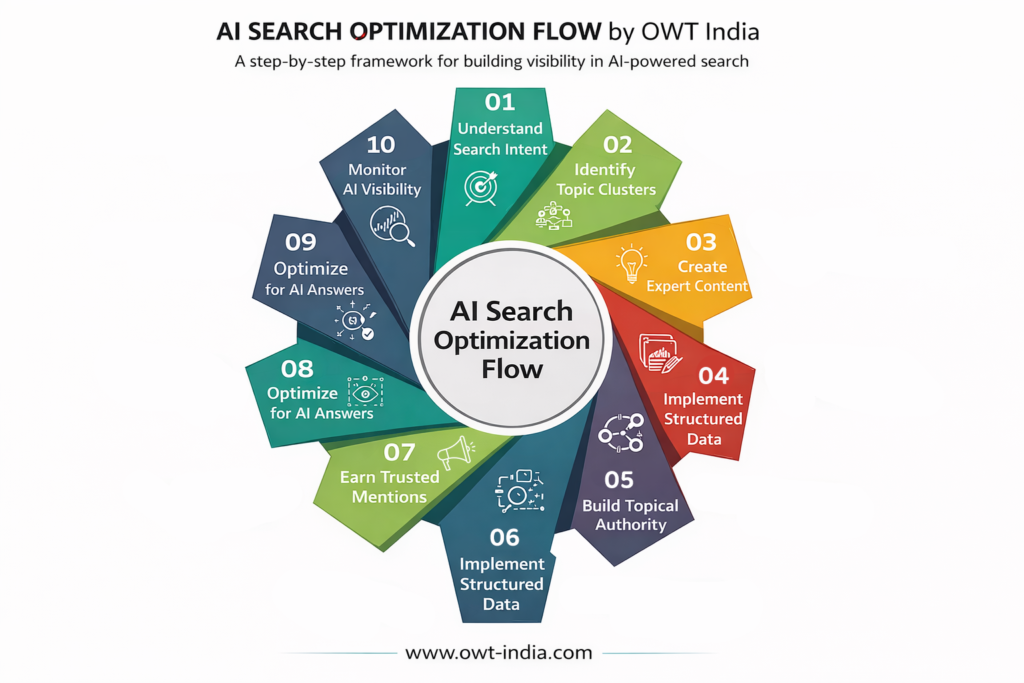
As AI-driven discovery grows, a new discipline is emerging alongside traditional SEO. Many experts refer to this shift as AI Search Optimization (AISO) or Answer Engine Optimization (AEO).
While terminology may evolve, the core idea is clear: businesses must optimize their digital presence so that AI systems can identify, trust, and reference them when generating answers.
This approach involves several strategic elements.
Content must be created in a way that clearly communicates expertise and authority. Information should be structured so that AI systems can easily understand key concepts and relationships. Brands must also build a consistent presence across reputable platforms, reinforcing their credibility within the broader information ecosystem.
The objective is no longer limited to ranking for keywords. Instead, the goal is to become a recognized and trusted source of knowledge within a particular domain.
Organizations that begin adapting to this approach today will likely gain a strong advantage as AI-driven discovery becomes more widespread.
Preparing for the Next Era of Search
The transformation of search is not a sudden disruption but a gradual evolution. Traditional search engines are integrating AI capabilities, while new AI-first platforms continue to emerge.
In this environment, businesses should think of SEO not as a narrow technical discipline but as part of a broader strategy focused on authority, expertise, and trust.
Companies that invest in credible content, thought leadership, and structured knowledge will be more likely to appear within AI-generated responses. Over time, this form of visibility may become just as valuable as traditional search rankings.
The organizations that succeed in this new era will be those that understand a simple principle: visibility in AI-driven search is earned through authority, not just optimization.
From the Author
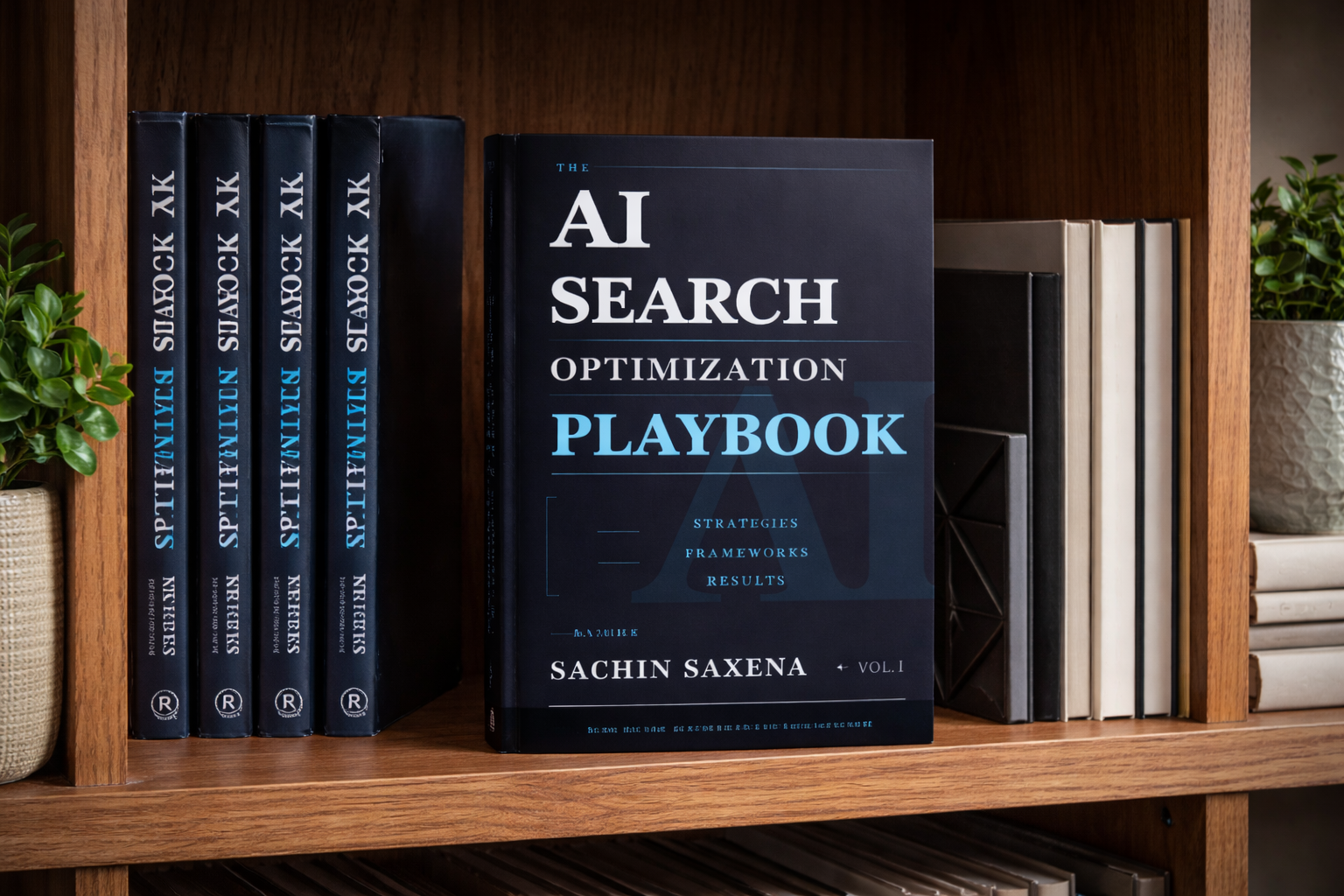
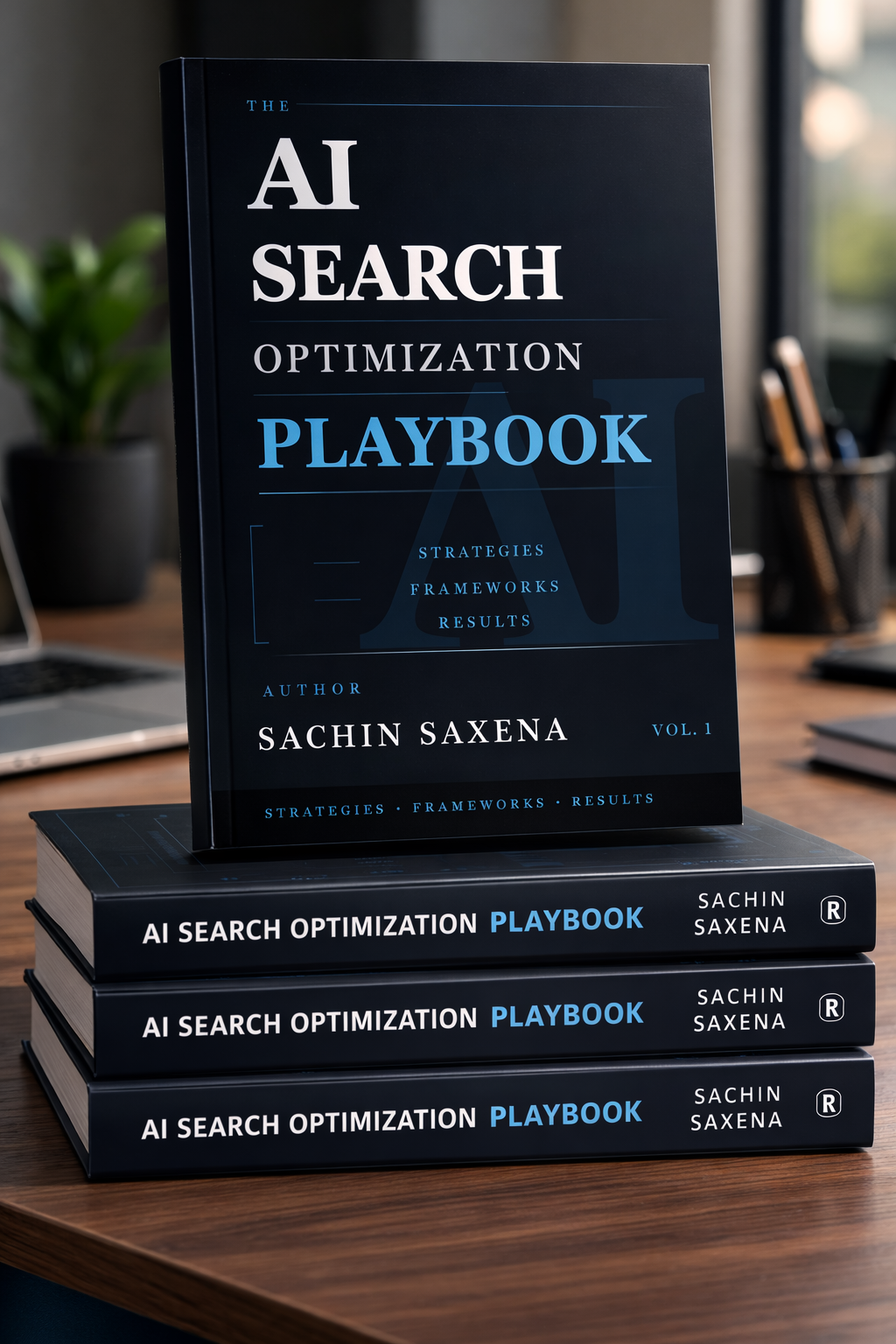
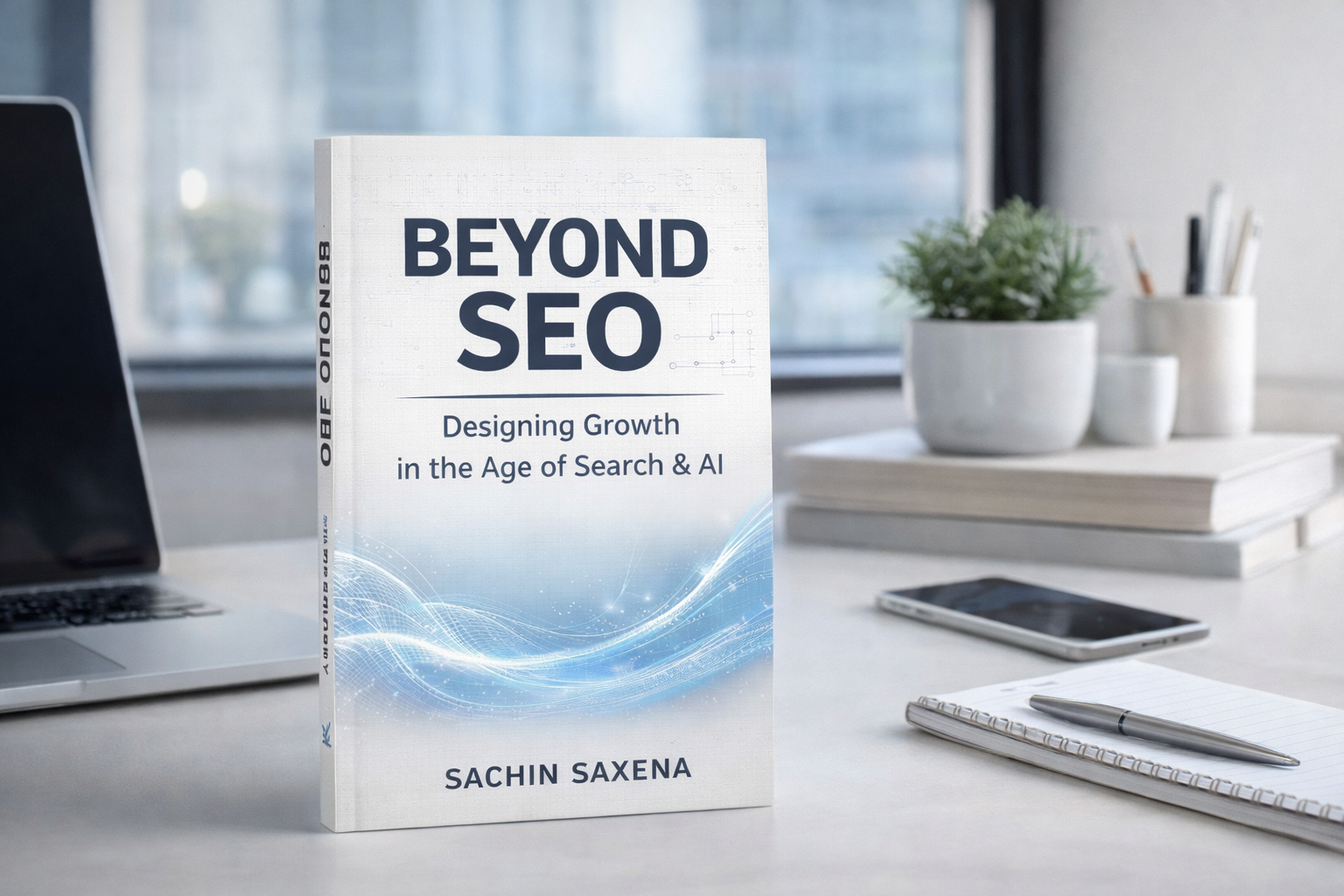
Sachin Saxena, founder of OWT India, explores the emerging landscape of AI-driven discovery in his book The AI Search Optimization Playbook.
The book explains how businesses can adapt their digital strategy to remain visible in an era where search is increasingly powered by artificial intelligence. It provides practical insights into building authority, structuring content for AI systems, and positioning brands to be recommended by modern answer engines.
For professionals and organizations looking to understand the future of search, The AI Search Optimization Playbook offers a strategic roadmap for navigating this transformation.