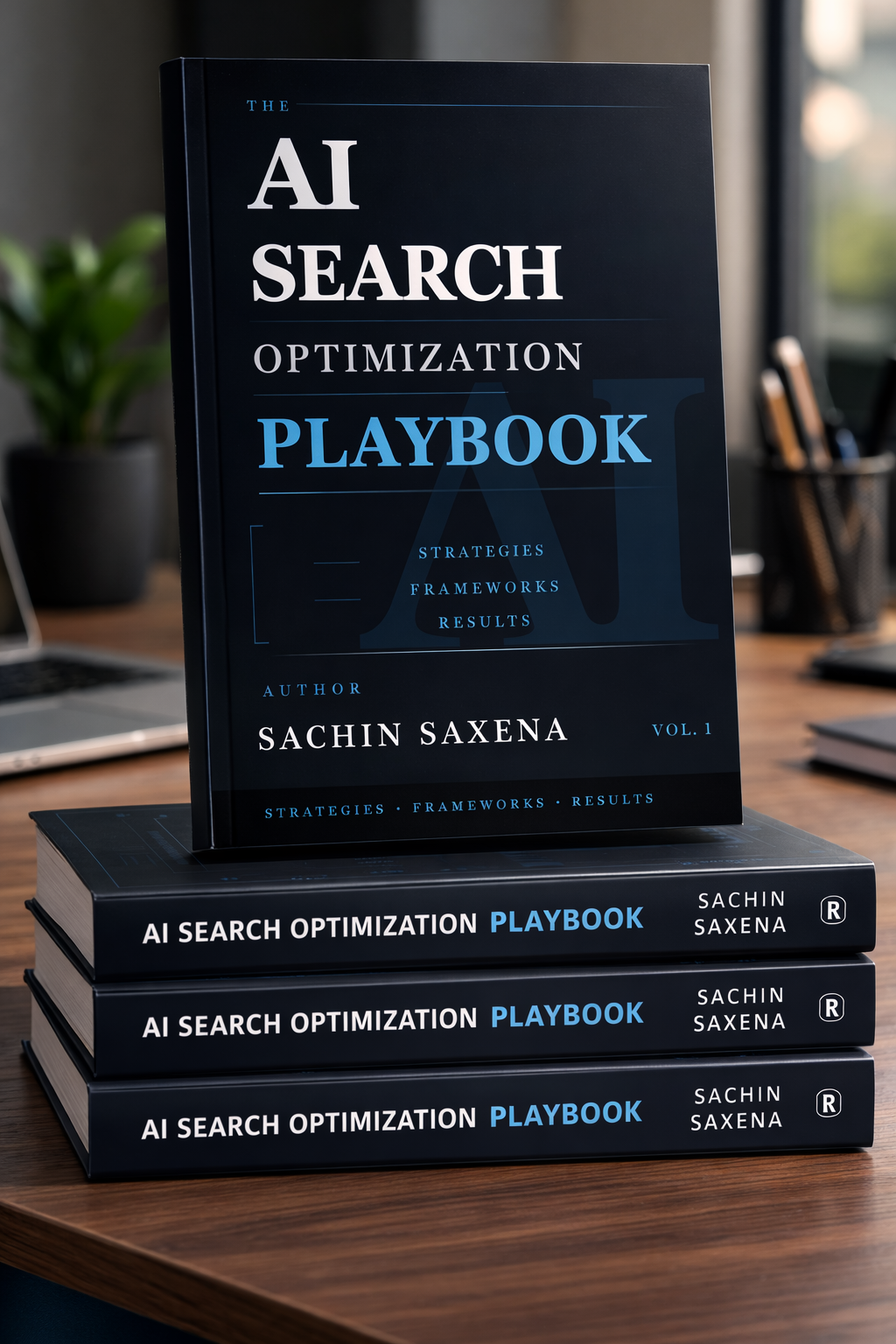
Professional SEO Services That Deliver Real, Measurable Results
Our SEO approach focuses on aligning technical optimization, content strategy, and authority signals with how modern search engines and AI systems evaluate relevance and trust. By combining structured website architecture, search intent mapping, and continuous optimization, we help businesses improve visibility, attract qualified traffic, and achieve sustainable growth across evolving search environments.
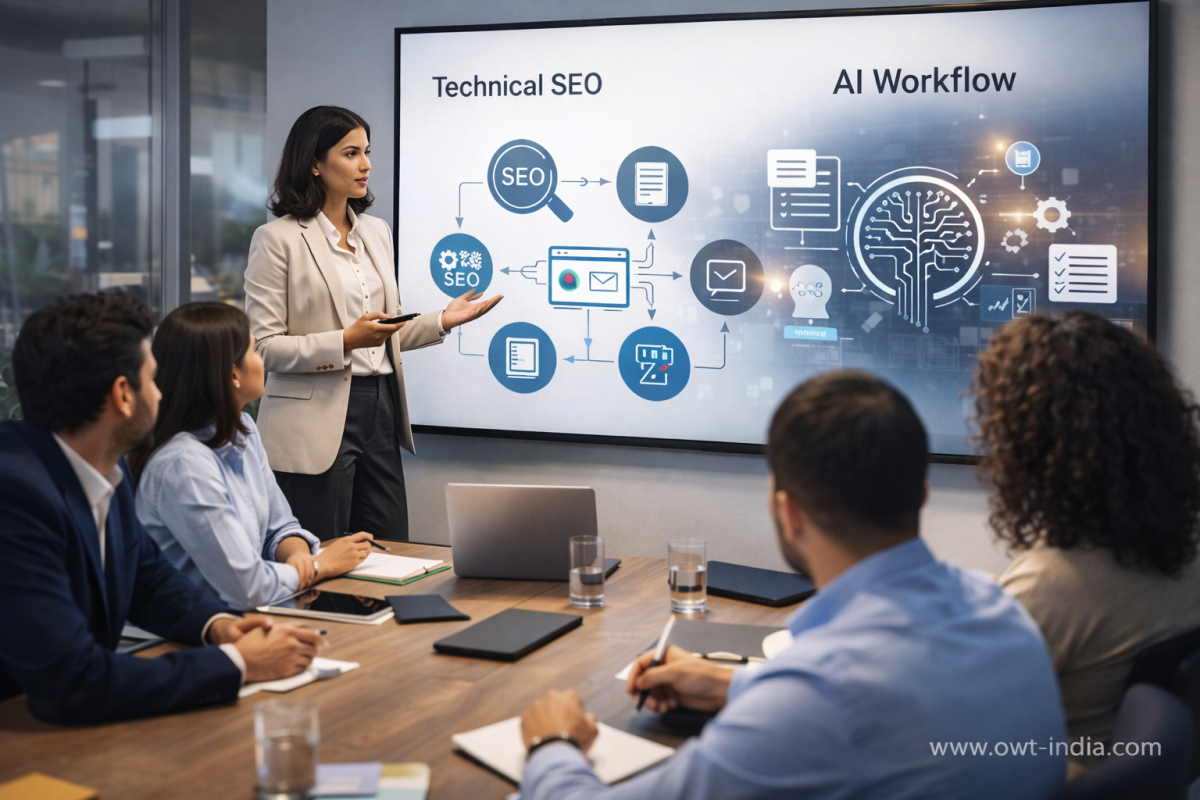
Technical SEO & AI Readiness
We strengthen website architecture, crawlability, indexing signals, and Core Web Vitals to ensure your website is easily discoverable across search engines and AI-driven platforms.
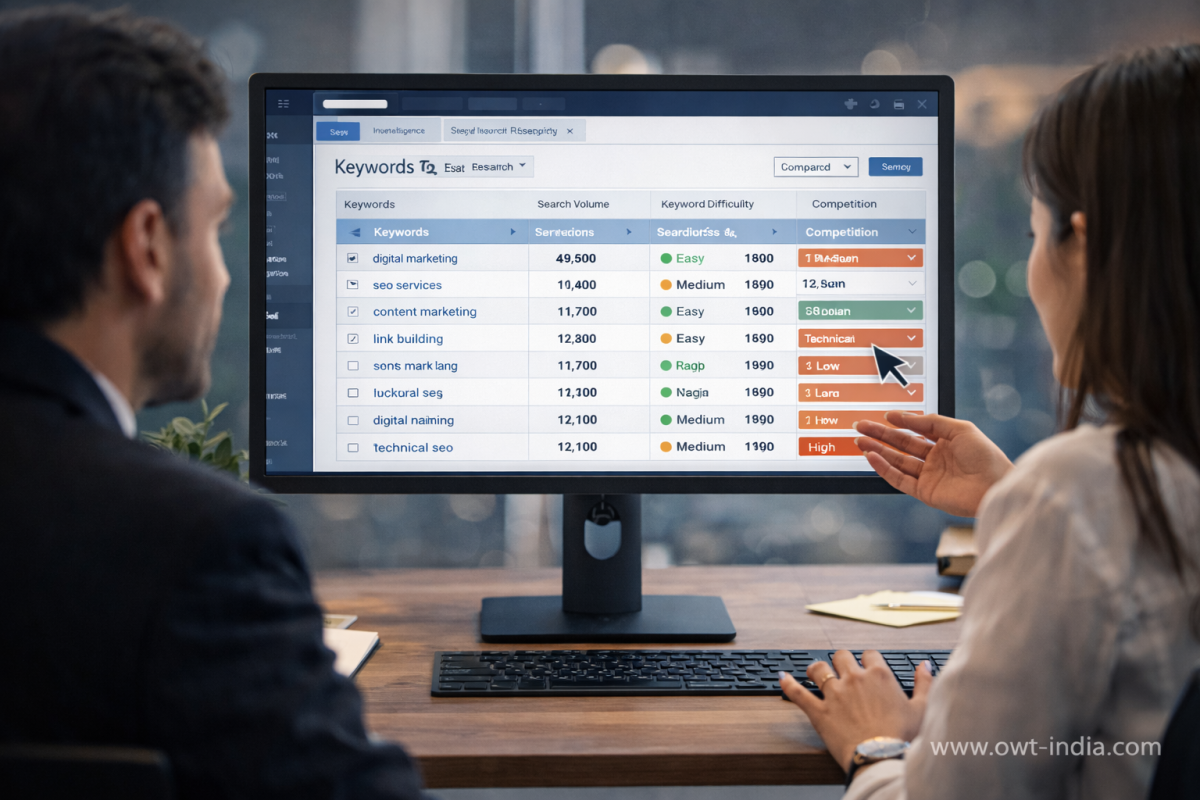
Keyword Intelligence & Search Intent Mapping
We optimize page structure, headings, metadata, internal links, and content relevance so search engines and AI systems clearly understand your expertise and authority.
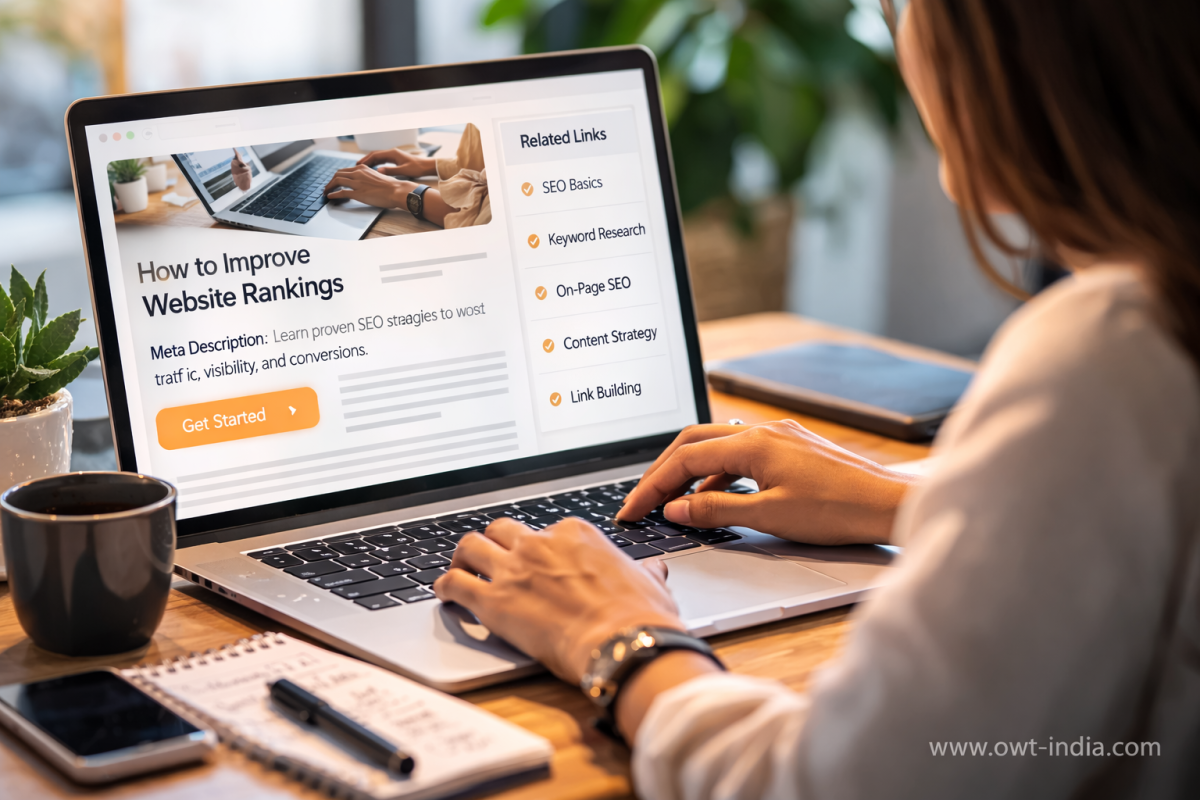
On-Page SEO & Structured Content
We optimize page structure, headings, metadata, internal links, and content relevance so search engines and AI systems clearly understand your expertise and authority.

Authority Signals & Link Strategy
We strengthen domain authority through relevant backlinks, topical authority development, and trust signals that improve rankings and digital credibility.
Our SEO Process — How We Work
- Search-optimized website structure and navigation
- Schema markup and structured data implementation
- Topic clusters and search-intent content planning
- Core Web Vitals and page performance improvements
- Internal linking for topical authority strengthening
- Continuous SEO monitoring and optimization
What Sets Us Apart
Ready to improve your search visibility and rankings with a structured SEO strategy?
Frequently Asked Questions (FAQs) About SEO
How does an SEO agency help businesses choose the right SEO approach for their goals?
A credible SEO agency starts with business objectives, not keywords. The process typically begins with understanding revenue models, target audience segments, and conversion paths, followed by mapping SEO opportunities to these outcomes.
Instead of applying a generic checklist, the agency identifies whether the focus should be on demand capture (existing search intent) or demand creation (content-led discovery). This ensures SEO contributes directly to pipeline, not just traffic.
Trust signals include a clear discovery phase, documented strategy rationale, and alignment between SEO KPIs and business metrics such as leads, sales, or qualified traffic.
How does an SEO agency create a strategy tailored to a specific business and industry?
A tailored SEO strategy is built on three layers: market context, search behavior, and competitive landscape.
An agency analyzes how users search within a specific industry, what content formats dominate results, and where competitors are gaining visibility. This is combined with a technical audit of the website to identify structural limitations or opportunities.
The outcome is a prioritized roadmap covering content, technical improvements, and authority building, designed specifically for that business model rather than reused templates.
Strong agencies will show how each recommendation connects to a measurable outcome, avoiding generic deliverables.
How long does it typically take for an SEO agency to deliver measurable results?
SEO is a compounding channel, not an instant one. Early indicators such as indexing improvements, keyword movement, and traffic shifts can appear within 6–12 weeks, while meaningful business impact typically builds over 3–6 months or more, depending on competition and starting point.
A reliable agency sets expectations in phases:
- Short term: technical fixes and visibility signals
- Mid term: traffic growth and ranking improvements
- Long term: consistent lead or revenue contribution
Trust comes from transparent timelines, realistic projections, and regular reporting on leading indicators, not just final outcomes.
How does an SEO agency measure and demonstrate SEO success?
SEO success is measured beyond rankings. A strong agency tracks performance across three levels:
- Visibility metrics: keyword rankings, impressions, share of search
- Engagement metrics: organic traffic quality, time on page, user behavior
- Business metrics: leads, conversions, revenue influenced by organic search
The key is attribution clarity. Agencies should connect SEO efforts to business outcomes using analytics, conversion tracking, and clear reporting frameworks.
Trustworthy reporting focuses on trends, insights, and decisions, not just raw data dashboards.
What does an SEO agency typically do on a monthly basis?
Ongoing SEO is a mix of execution, optimization, and analysis. On a monthly basis, an agency typically works across:
- Technical improvements to maintain crawlability and performance
- Content creation or optimization aligned with search intent
- Authority building through relevant backlinks and mentions
- Performance monitoring and iterative adjustments
More importantly, each month should build on previous work through a prioritized roadmap, rather than isolated tasks.
A strong signal of maturity is when an agency communicates not just what was done, but why it matters and what it changes going forward.
What are the key red flags to watch out for when hiring an SEO agency?
Common red flags often relate to overpromising and lack of transparency.
These include guarantees of rankings, vague deliverables, reliance on shortcuts like low-quality backlinks, or inability to clearly explain their strategy. Another warning sign is reporting that focuses only on vanity metrics without linking to business impact.
A credible agency will:
- Set realistic expectations
- Explain its approach in plain terms
- Provide visibility into work and performance
- Adapt strategy based on results, not fixed packages
In SEO, trust is built through clarity, consistency, and accountability, not aggressive claims.