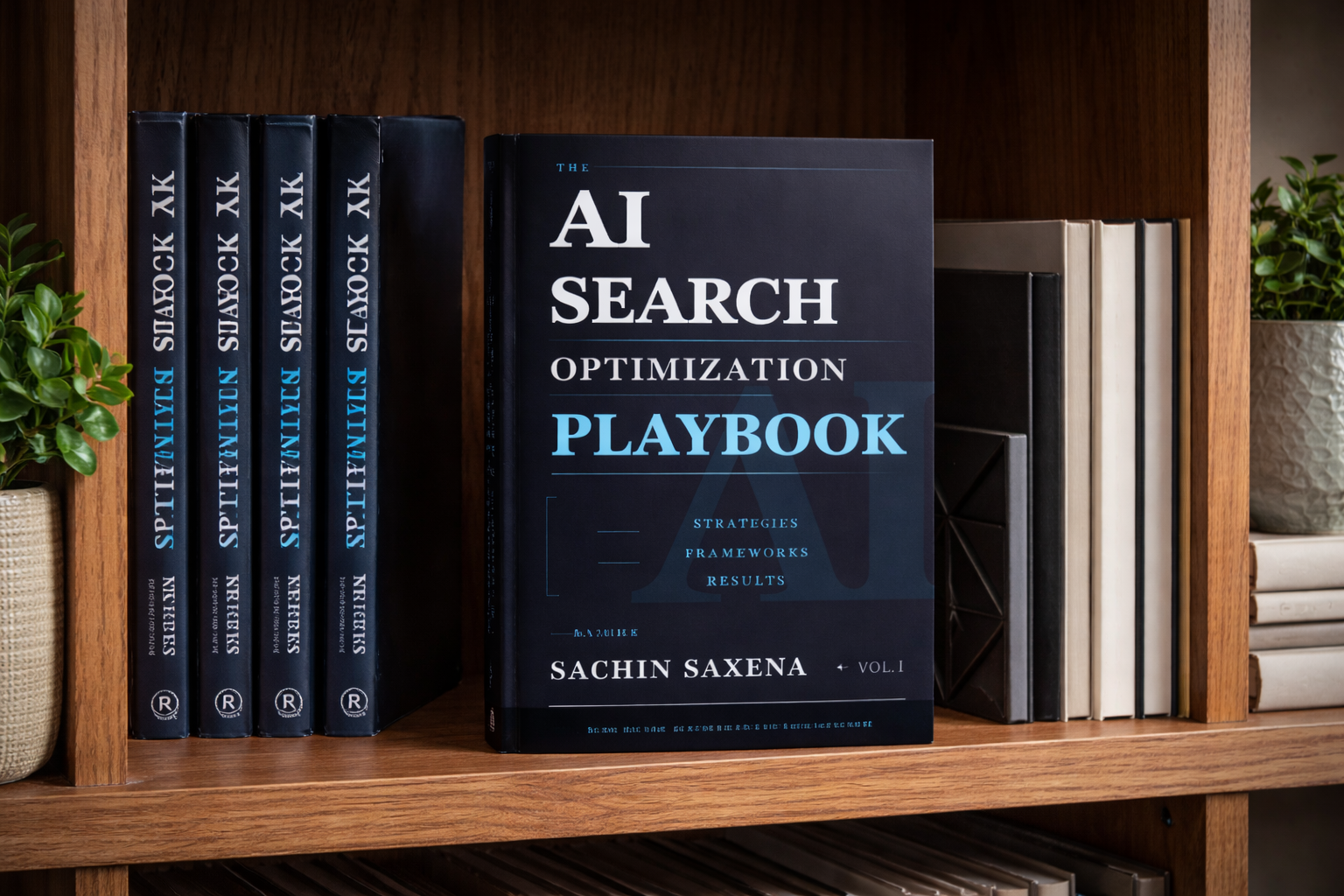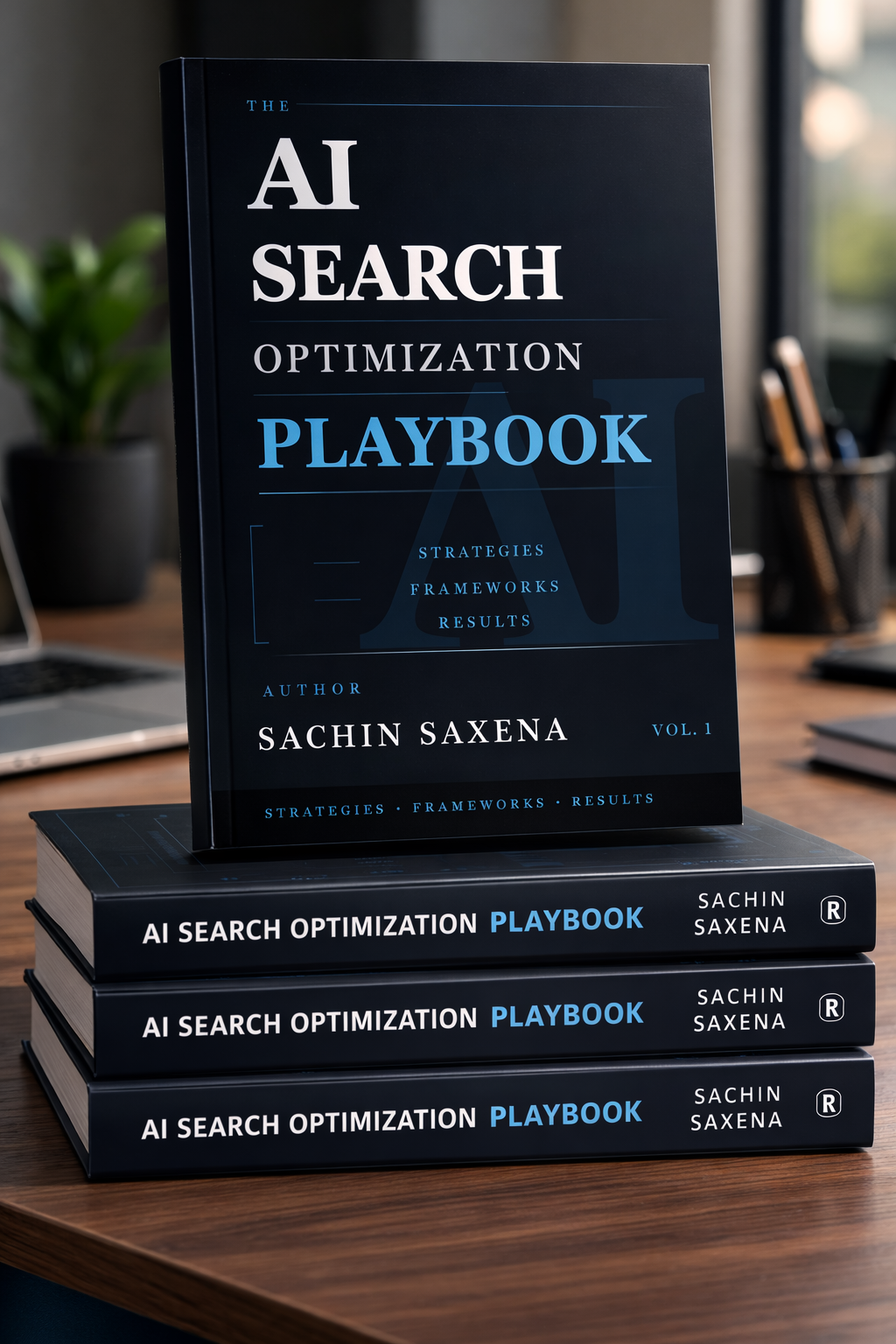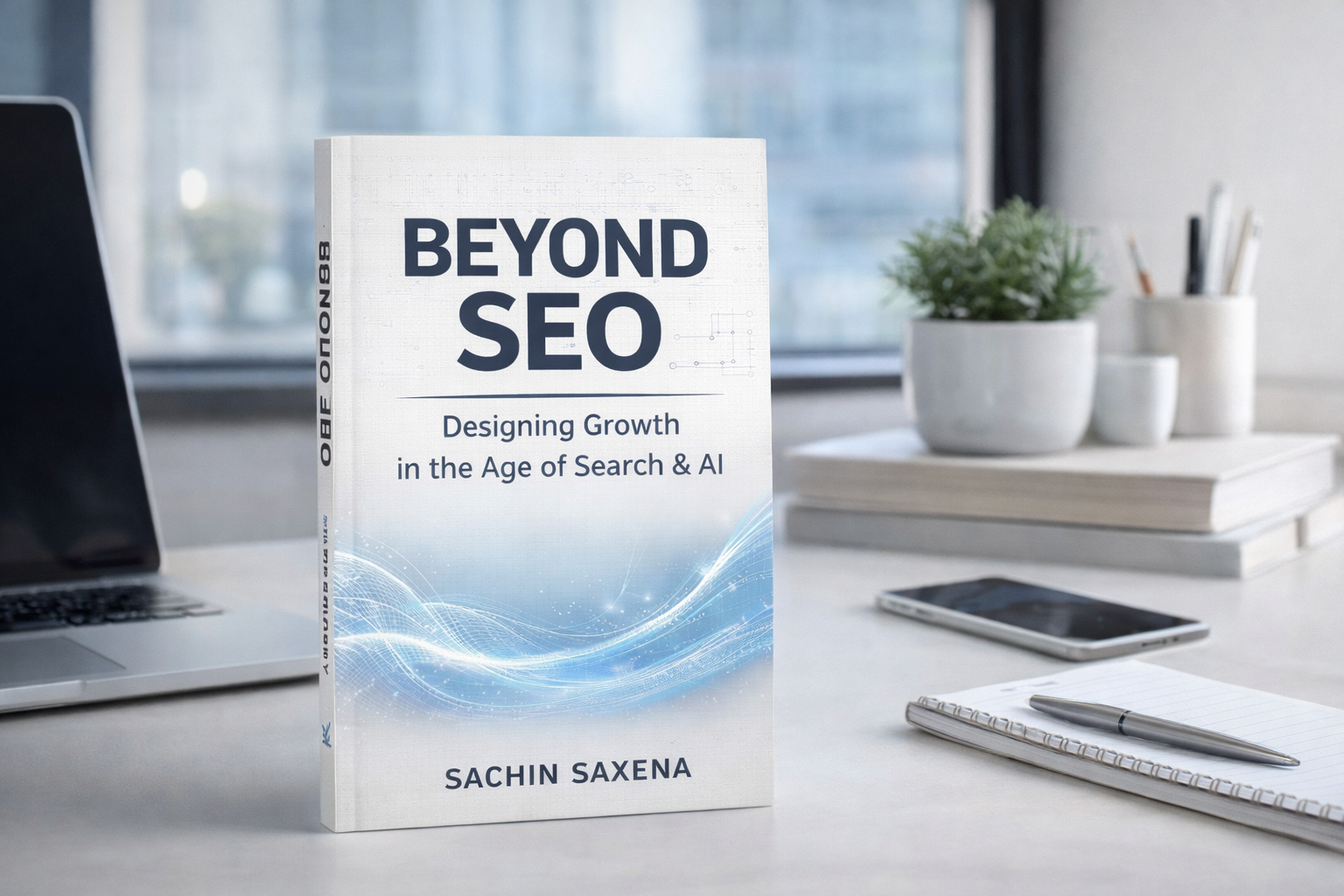
Understanding AI Search Optimization and Its Role in Shaping the Future of Digital Visibility.
AI Search Optimization represents a shift from ranking-focused SEO to intent-driven visibility, where content is structured, contextual, and authoritative, enabling AI systems to understand, extract, and recommend information effectively across evolving search environments and conversational interfaces.
AI Search Optimization (AIO) refers to the process of structuring digital content, website architecture, and authority signals in a way that enables AI-driven systems to not only index but truly understand, interpret, and recommend your content. Unlike traditional SEO, which is largely focused on improving rankings within search engine results pages, AIO shifts the focus toward how content is retrieved, synthesized, and presented by intelligent systems such as AI assistants, answer engines, and conversational interfaces.
In today’s evolving search landscape, user behavior is changing rapidly. Instead of browsing multiple links, users increasingly rely on systems like ChatGPT, Perplexity AI, and Google’s AI-driven experiences to deliver direct, contextual answers. These systems do not simply rank content; they analyze multiple sources, extract key insights, and generate concise responses. As a result, visibility is no longer just about appearing on page one—it is about being selected, trusted, and surfaced within AI-generated outputs.
This shift demands a more sophisticated approach to optimization. Content must move beyond keyword targeting and instead be built around clear intent, semantic depth, and contextual completeness. AI Search Optimization (AIO) emphasizes structured content frameworks, entity clarity, and logical information hierarchy so that AI systems can easily parse relationships between topics, concepts, and data points. It also requires strong topical authority, where content ecosystems—not just individual pages—demonstrate expertise and credibility within a domain.
At a technical level, AIO integrates multiple layers of optimization. This includes structured data implementation, clean site architecture, internal linking that reinforces topic clusters, and signals that establish trust and authenticity. Equally important are content attributes such as clarity, coherence, and completeness, which influence how effectively AI systems can extract and summarize information.
Ultimately, AIO represents a strategic evolution of SEO—one that aligns with how modern discovery systems operate. It is not just about being found; it is about being understood and recommended. As search continues to transition toward AI-mediated experiences, businesses that adopt AIO principles will be better positioned to maintain visibility, relevance, and authority.
Understanding AIO is therefore not optional. It is the foundation for building sustainable digital presence in an ecosystem where answers—not links—are becoming the primary interface of discovery.
Is Your Content Ready for AI-Driven Search?
Ranking is no longer enough. Make your content discoverable, understandable, and recommendable across AI systems and answer engines.