What we do
Our content strategy and implementation approach focuses on building structured, search-aligned content systems that improve visibility, authority, and user engagement. By combining keyword insights, search intent, and topical clustering, we create content frameworks that help businesses rank consistently across search engines and AI-driven platforms. This ensures your content not only attracts the right audience but also supports long-term digital growth and conversion outcomes.

Search-Aligned Content Strategy
We develop content strategies based on keyword research, search intent, and topical authority, ensuring your content improves search rankings, strengthens digital authority, and remains discoverable across search engines and AI-driven systems.

SEO & AI-Optimized Content Structure
We structure content using clear headings, semantic relationships, and internal linking so search engines and AI platforms can accurately interpret expertise, relevance, and contextual meaning.
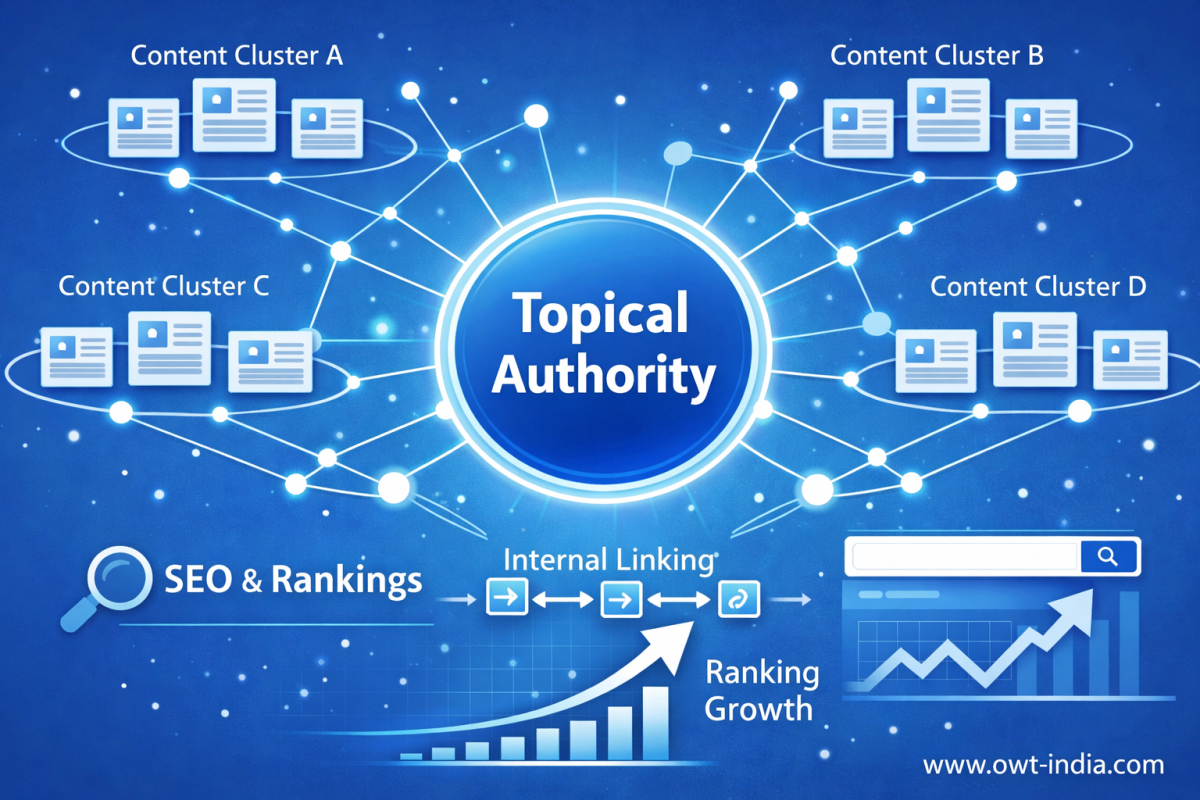
Topical Authority Content Framework
Our content frameworks organize topics into clusters that strengthen domain authority, improve search relevance, and signal subject expertise across search engines and AI-driven discovery platforms.

Conversion-Focused Content Implementation
Content is designed not only for search visibility but also for engagement and conversion, combining structured messaging, clear calls-to-action, and user-focused information architecture.
Key Content Strategy Activities
- Keyword-driven editorial planning and topic mapping
- Structured content for search discoverability
- Entity-based content signals for AI understanding
- Internal linking for topical authority building
- Search-intent focused articles and landing pages
- Continuous content optimization using performance data and insights
What Sets Us Apart
Ready to improve your search visibility with a structured content strategy?
Frequently Asked Questions (FAQs)
How does a content strategy agency align content with business goals and revenue?
A strong content strategy begins with business outcomes, not content ideas.
The agency maps content to the customer journey—awareness, consideration, and decision—and ensures each piece serves a specific purpose, such as attracting qualified traffic, nurturing prospects, or driving conversions.
This alignment is reinforced through keyword intent mapping, funnel structuring, and conversion pathways, so content contributes directly to pipeline and revenue.
A key trust signal is when content performance is tied to business metrics like leads, sales, or customer acquisition, not just views.
What is the process for developing and executing a content strategy?
An effective process typically follows three stages: research, planning, and execution with iteration.
- Research includes audience analysis, search intent mapping, and competitive content gaps
- Planning involves building a structured content roadmap with topics, formats, and priorities
- Execution focuses on creating, optimizing, and distributing content consistently
This is supported by continuous analysis and refinement based on performance data.
The outcome is a repeatable content system, not one-off publishing, ensuring sustained growth over time.
How do you ensure content drives traffic, engagement, and conversions?
Performance is ensured by aligning content with user intent and decision stages.
Traffic is driven through search-optimized topics and discoverability. Engagement comes from clarity, relevance, and value in the content itself. Conversions are enabled through clear messaging, internal linking, and well-placed calls to action.
Each piece is designed with a defined role, rather than being created in isolation.
A strong indicator of effectiveness is when content not only attracts users but also moves them toward meaningful actions.
What types of content should a business focus on for long-term growth?
Long-term growth is driven by a mix of evergreen, authority-building, and conversion-focused content.
This typically includes:
- Foundational content that answers core industry questions
- In-depth guides and insights that establish expertise
- Decision-stage content that supports conversions
The emphasis is on building a topic ecosystem, where content pieces are interconnected and reinforce each other.
Sustainable growth comes from consistency and depth, not isolated or trend-driven content.
How do you measure the performance and ROI of content marketing?
Content performance is measured across three layers:
- Visibility: organic traffic, keyword reach, impressions
- Engagement: time on page, interaction signals, content consumption
- Business impact: leads, conversions, revenue contribution
ROI is evaluated by understanding how content influences the customer journey and contributes to acquisition and retention over time.
A credible agency focuses on actionable insights and trend analysis, not just reporting numbers.
How do you maintain consistency and quality in ongoing content production?
Consistency and quality are maintained through systems, not ad-hoc efforts.
This includes editorial guidelines, content frameworks, standardized processes, and clear quality benchmarks. Planning is done through a structured content calendar aligned with strategy, ensuring continuity.
Quality is reinforced through review mechanisms and performance feedback loops, where insights from existing content improve future output.
A strong signal of reliability is when content production operates as a disciplined process with strategic oversight, rather than sporadic publishing.