
Search is no longer just about crawling and indexing pages. With the rise of AI-driven discovery, search systems are increasingly focused on understanding content, relationships, and entities. This shift changes the role of technical SEO. It is no longer limited to ensuring that pages are accessible. It must also ensure that content is machine-readable, interpretable, and contextually connected.
To succeed in this environment, websites must be optimized not only for search engines, but also for AI systems that generate answers, summarize content, and recommend sources. This is where technical SEO intersects with AI Search Optimization (AIO).
The Role of Structured Data (Schema) in AI Search
Structured data is one of the most important elements of machine-readable content. Schema markup provides explicit signals about what your content represents, making it easier for AI systems to interpret meaning.
Instead of relying only on text, schema defines entities such as articles, organizations, FAQs, products, and more. This helps AI systems understand not just what is written, but what the content is about and how it should be categorized.
For example, using FAQ schema clearly identifies question-and-answer pairs, increasing the chances of being used in featured answers and AI-generated responses. Article schema helps define authorship, publication details, and topical relevance, which strengthens credibility signals.
When implemented correctly, structured data improves both search visibility and AI interpretability, making it a foundational component of modern technical SEO.
Crawlability vs Interpretability
Traditional technical SEO focuses heavily on crawlability, ensuring that search engine bots can access and index content. While this remains important, it is no longer sufficient.
AI systems require interpretability. This means they must be able to understand the structure, context, and meaning of content. A page that is easily crawlable but poorly structured may still fail to perform in AI-driven search.
Interpretability depends on factors such as:
- Clear content hierarchy
- Logical organization of sections
- Semantic clarity in language
- Proper use of headings and metadata
The shift from crawlability to interpretability reflects a broader change in how search works. It is no longer just about accessing content, but about comprehending it.
Internal Linking for Entity Understanding
Internal linking plays a critical role in how AI systems understand relationships between topics. It helps define context, hierarchy, and topical relevance across a website.
When pages are connected through meaningful internal links, they form a structured network of information. This allows AI systems to identify entities and their associations, improving the overall understanding of your content.
For example, linking related articles around AI search optimization, AEO, and digital authority helps establish your website as a knowledge hub within that domain. This strengthens entity recognition and increases the likelihood of being referenced in AI-generated answers.
Internal linking should be intentional, with anchor text that clearly reflects the topic being linked. This improves both navigation and machine interpretation.
Site Architecture for AI-Driven Discovery
A well-structured site architecture is essential for both search engines and AI systems. It defines how content is organized, connected, and prioritized.
In traditional SEO, site architecture supports crawling and indexing. In AI-driven search, it also supports contextual understanding and knowledge mapping.
Effective architecture includes:
- Clear content categories and hierarchies
- Logical URL structures
- Consistent taxonomy and labeling
- Interconnected topic clusters
When content is organized around specific themes, it becomes easier for AI systems to understand the depth and scope of your expertise. This improves both ranking potential and inclusion in AI-generated responses.
A disorganized site, on the other hand, creates fragmentation, making it harder for AI systems to interpret relationships between pages.
How AI Systems Process Technical Signals Differently
AI search engines evaluate technical signals differently from traditional search engines. While traditional SEO relies heavily on metrics like backlinks, page speed, and keyword relevance, AI systems focus more on meaning, structure, and trust.
Technical signals in AI search are interpreted in the context of:
- Content clarity and structure
- Entity relationships and consistency
- Schema and metadata signals
- Contextual linking and topic depth
This means that technical SEO is no longer just about optimization at the page level. It must support a broader goal of knowledge representation and authority building.
Websites that combine strong technical foundations with clear, structured content are more likely to be understood, trusted, and selected by AI systems.
Key Technical Signals for AI Search Optimization
To make your website machine-readable and AI-ready, focus on the following signals:
- Structured data implementation: Use schema to define content and entities
- Semantic HTML structure: Proper use of headings and tags
- Logical site architecture: Clear hierarchy and content grouping
- Internal linking strategy: Strong contextual connections
- Content consistency: Unified messaging across pages
- Fast and accessible pages: Maintain technical performance
- Indexing control: Use canonical tags, robots directives effectively
- Entity clarity: Consistent representation of brand and topics
These elements work together to improve both search engine indexing and AI system understanding.
Building a Machine-Readable Website
Technical SEO for AI search is about creating a website that can be easily interpreted, connected, and trusted. This requires a shift in mindset from isolated optimization to holistic content and structure design.
Websites that prioritize machine readability are better positioned to:
- Rank effectively in traditional search
- Be included in AI-generated answers
- Build long-term digital authority
As AI continues to shape search behavior, technical SEO will play a critical role in ensuring that content is not just visible, but understood and utilized.
From the Author
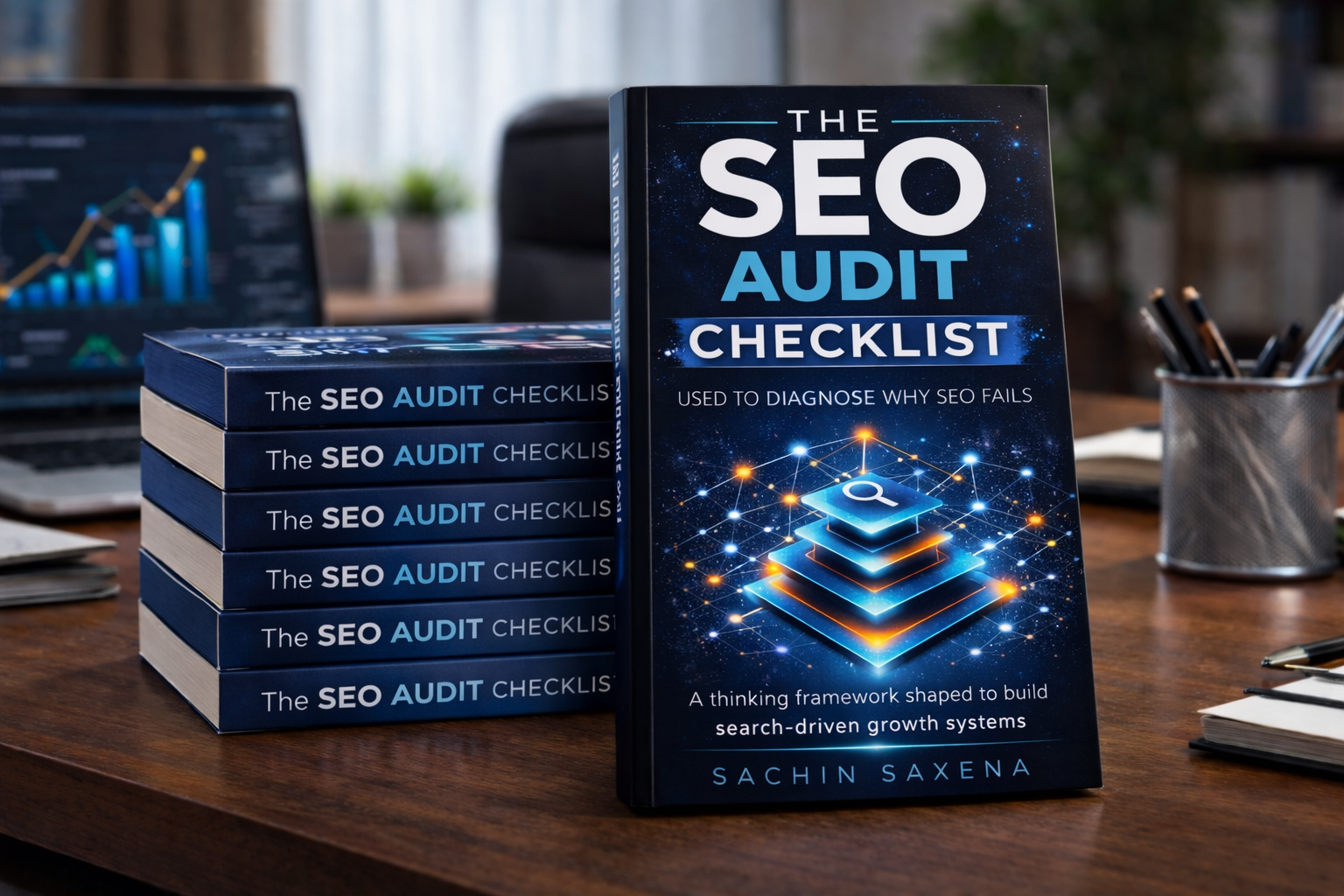
Sachin Saxena, founder of OWT India, focuses on building strong technical and content foundations for sustainable digital growth. In his book The SEO Audit Checklist, he outlines practical methods to evaluate websites, improve technical SEO, and strengthen overall search performance.
For businesses looking to align their technical SEO with modern search requirements, the book offers a structured approach to creating websites that are both search engine friendly and machine-readable.